HVAC and building climate systems
Reliable heat transfer solutions for modern buildings
The role of heat transfer fluids in HVAC systems
In building climate installations, heat transfer fluids circulate through heating and cooling circuits, transporting energy between heat sources, chillers, storage units and distribution systems. To perform effectively, these fluids must combine predictable thermal performance with stable flow properties.
At the same time, HVAC systems often contain mixed-metal components such as steel, copper and aluminum. Without proper fluid formulation, these components can be exposed to corrosion, scaling and freeze-related damage, impacting system reliability and maintenance costs.
Supporting long-Term system reliability
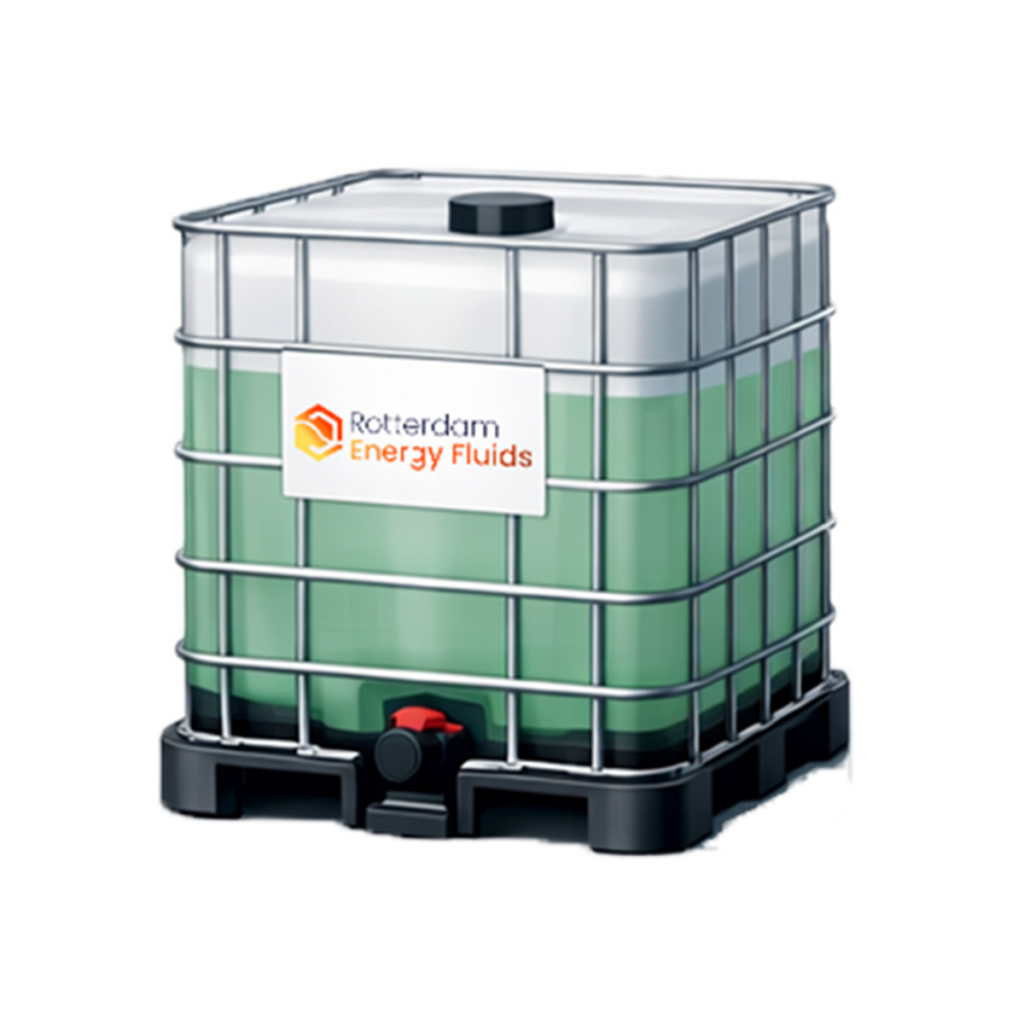
Rotterdam Energy Fluids develops glycol-based heat transfer fluids specifically formulated to support long-term HVAC system operation. Our solutions are designed to provide:
- Reliable heat transfer across a wide temperature range
- Consistent circulation and flow characteristics
- Protection against freezing, corrosion and deposit formation
- Chemical stability during continuous operation
This makes our fluids suitable for both new building projects and existing HVAC installations where system reliability and lifecycle performance are key priorities.
Heat transfer solutions for HVAC systems
Energy efficiency and building performance
Efficient heat transfer contributes directly to overall building energy performance. Stable thermal conductivity and predictable fluid behavior help HVAC systems operate as intended, supporting efficient temperature control and reducing unnecessary energy losses.
By selecting heat transfer fluids that match system requirements, building owners and operators can support energy-efficient operation while maintaining consistent indoor comfort levels.
Bio-PG
Ultra-EG
HVAC systems requiring high thermal
efficiency